Small businesses face a tough reality: do more with less. You’re working with tight budgets, small teams, and big growth expectations. But here’s the good news, AI and automation tools that were once only for big companies are now accessible and affordable for businesses like yours.
These technologies aren’t just nice-to-have additions anymore. They’re becoming the backbone of smart sales strategies that help small businesses compete with much larger companies.
From Manual Sales to Smart Systems
Remember the old way of doing sales? Your team spent hours making cold calls, updating spreadsheets, and chasing leads through endless follow-ups. Every task required human hands, which meant more time spent on busy work and less time actually selling.
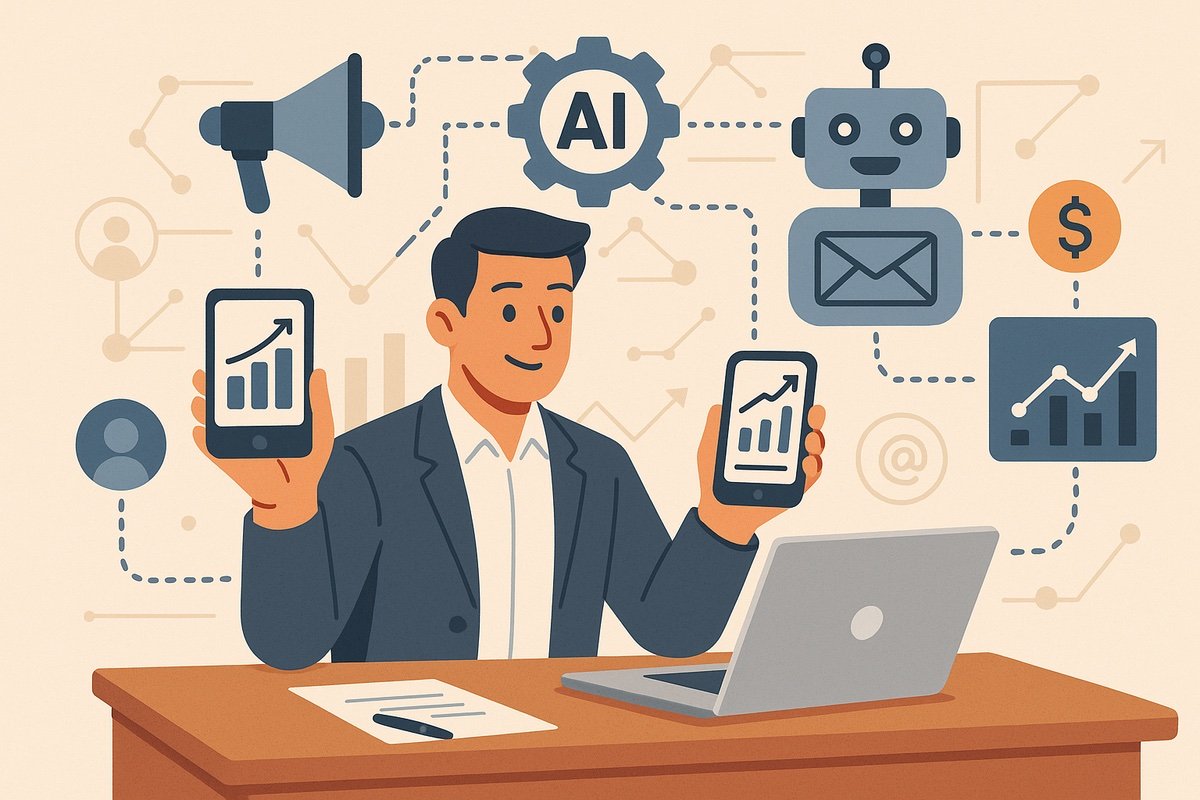
AI and automation flip this script. These tools handle the repetitive stuff with accuracy and speed that humans simply can’t match. While you sleep, your digital sales assistant is qualifying leads, sending personalized emails, and analyzing customer data.
How AI and Automation Work Together
Think of AI as the brain and automation as the hands. AI learns from data and makes smart decisions, while automation carries out those decisions without you having to lift a finger.
Here’s how they tag-team your sales process:
Finding and Qualifying Leads
AI digs through mountains of data to spot your best prospects. It looks at things like website behavior, social media activity, and past purchase patterns to score leads. Then automation takes over, sending the right message to the right person at the right time.
Talking to Customers 24/7
Your AI chatbot never takes a coffee break. It answers questions, books appointments, and helps customers find what they need, even at 3 AM on a Sunday. When someone needs human help, the system knows when to hand things off to your team.
Predicting What Comes Next
AI looks at your sales history and spots patterns you might miss. It can tell you which deals are most likely to close, when customers might be ready to buy again, and where you should focus your efforts.
Why This Matters for Your Small Business
You’ll Save Money
Building a traditional sales team is expensive. Between salaries, benefits, training, and turnover, costs add up fast. AI tools cost a fraction of what you’d spend on additional staff, and they work around the clock.
Your Team Gets More Done
Studies show salespeople spend less than 35% of their time actually selling. The rest gets eaten up by data entry, research, and administrative tasks. AI handles the busy work so your people can focus on building relationships and closing deals.
Every Customer Gets Personal Attention
AI can personalize interactions for hundreds or thousands of customers simultaneously. It remembers preferences, tracks purchase history, and tailors recommendations, something that would be impossible to do manually at scale.
You Can Grow Without Growing Pains
Whether you’re serving 10 customers or 10,000, AI systems handle the load without breaking a sweat. You get consistent quality across all interactions, no matter how busy things get.
Real Businesses, Real Results
Online Stores: AI suggests products based on browsing history and sends automated emails to customers who abandon their shopping carts.
Service Providers: Automated scheduling systems book appointments while AI follows up with clients to ensure satisfaction and generate repeat business.
B2B Companies: Smart CRM systems prioritize the hottest leads and track every customer interaction, so nothing falls through the cracks.
Picking the Right Tools
You don’t need to become a tech expert overnight. Start with tools that solve your biggest pain points:
- e360 combines customer management, email marketing, and AI lead scoring in one platform
- Make or Zapier connects your existing apps so they work together automatically
- Assistable provides AI chatbots that engage visitors on your website
Look for tools that are easy to use, play well with your existing systems, and can grow with your business.
Technology Supports Humans, Doesn’t Replace Them
Here’s something important: AI and automation make your human team better, not obsolete. Sales is still about trust and relationships. The best results come from combining smart technology with human insight and empathy.
Your AI handles the routine stuff while your team focuses on the high-value conversations that close deals and build lasting customer relationships.
The Bottom Line
AI and automation aren’t futuristic concepts anymore, they’re practical tools that small businesses need to stay competitive. These technologies help you build sales processes that work smarter, scale easily, and cost less than traditional methods.
The question isn’t whether you should adopt these tools. It’s how quickly you can get started. Your competitors are already using AI to get ahead. Now it’s your turn to level the playing field and show them what smart small businesses can do.
FAQ
How can AI and automation help small business sales teams?
AI and automation help small businesses by handling repetitive tasks, qualifying leads, and delivering personalized customer experiences—freeing up sales teams to focus on closing deals.
What’s the difference between AI and automation in sales?
AI analyzes data and makes decisions (like lead scoring), while automation executes those decisions (like sending follow-up emails), working together to streamline the sales process.
Can AI and automation really work for small businesses, not just large companies?
Yes. Many affordable tools like HubSpot, Drift, and Pipedrive make AI-powered sales automation accessible to small teams with limited resources.
Will AI replace human salespeople?
No. AI supports sales teams by handling routine work. Human reps still play a crucial role in building relationships and closing deals.
What kind of tasks can AI automate in the sales process?
Tasks include lead qualification, follow-up emails, appointment scheduling, customer support via chatbots, and sales forecasting.
Which tools are recommended for small businesses getting started with AI in sales?
Popular beginner-friendly tools include e360 for CRM and email, Make or Zapier for workflow automation, Assistable for chatbots, and Pipedrive or e360 for sales tracking.